
When choosing a new concrete floor finish, two of the most popular options are epoxy flooring and polished concrete. Both offer exceptional durability, low maintenance and a modern appearance, but they’re designed for different environments and requirements.
Whether you’re upgrading a warehouse, workshop, showroom, office or residential space, understanding the differences between these flooring systems will help you make the right investment.
Here’s how epoxy flooring and polished concrete compare.
What Is Epoxy Flooring?
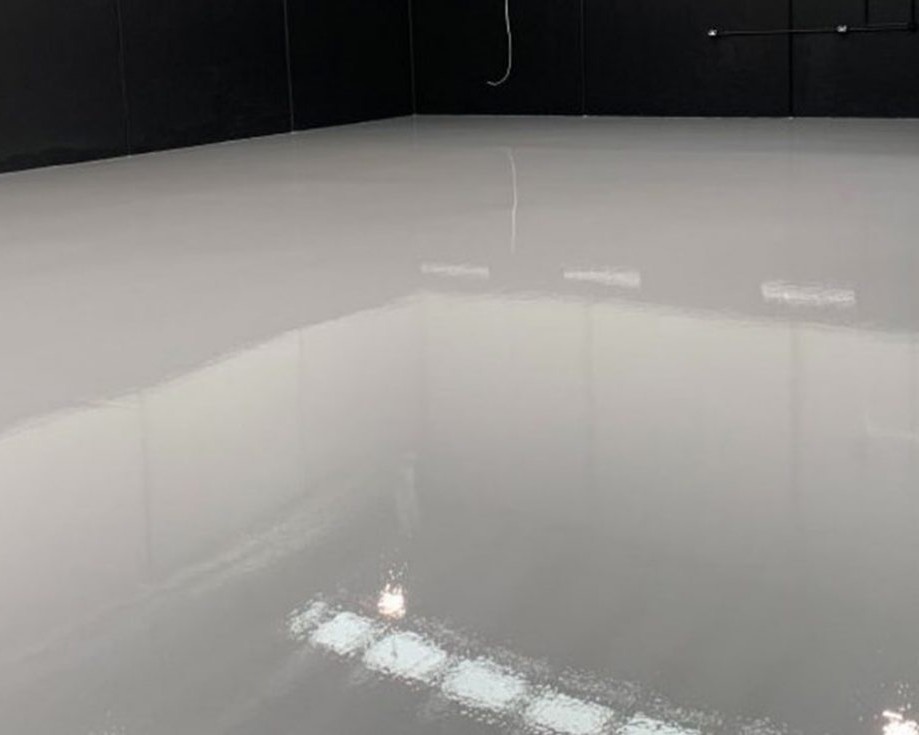
Epoxy flooring is a protective coating created by combining epoxy resin and a hardener, which chemically bond to form a seamless, highly durable surface over an existing concrete slab. The result is a floor that resists chemicals, stains, moisture and heavy traffic, making it ideal for commercial, industrial and residential applications.
Epoxy flooring is commonly used in:
- Warehouses
- Factories
- Workshops
- Garages
- Commercial kitchens
- Retail showrooms
Because it forms a protective layer over the concrete, epoxy provides both functional performance and decorative appeal.
What Is Polished Concrete?
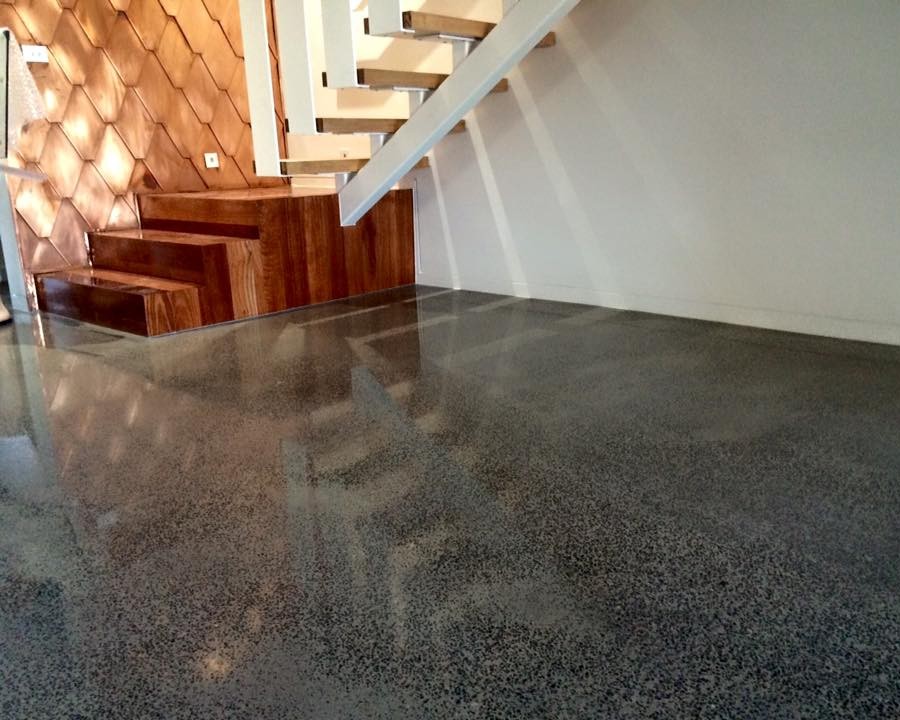
Polished concrete is created by mechanically grinding, honing and polishing the existing concrete slab until it achieves the desired level of sheen.
Rather than applying a coating, the concrete itself becomes the finished floor, producing a clean, contemporary appearance that highlights the natural character of the slab.
Polished concrete is a popular choice for:
- Homes
- Offices
- Cafés
- Retail stores
- Showrooms
- Commercial buildings
Its timeless appearance makes it suitable for both modern and industrial-inspired interiors.
Appearance
Both flooring systems deliver an attractive finish, but they offer very different aesthetics.
Epoxy Flooring
Epoxy provides a seamless, uniform finish and is available in a wide range of colours, textures and decorative effects.
Options include:
- Solid colours
- Flake flooring
- Metallic finishes
- High-gloss coatings
- Satin finishes
- Non-slip textures
This flexibility makes epoxy ideal for businesses wanting to match branding or create a clean, professional environment.
Polished Concrete
Polished concrete showcases the natural beauty of the existing slab.
Depending on the level of grinding, it can reveal:
- Natural stone aggregates
- Unique concrete patterns
- Matte, satin or high-gloss finishes
Every polished concrete floor is unique, giving it a premium architectural appearance.
Durability
Both flooring systems are exceptionally durable when installed correctly.
Epoxy Flooring
Epoxy performs exceptionally well in demanding environments because it offers excellent resistance to:
- Chemicals
- Oil
- Grease
- Heavy machinery
- Forklift traffic
- Abrasion
- Moisture
This makes it one of the most popular flooring choices for industrial and commercial facilities.
Polished Concrete
Polished concrete is also extremely durable and performs well under heavy foot traffic.
Its strength comes from the concrete slab itself rather than an applied coating, making it an excellent long-term solution for commercial spaces and modern homes.
Maintenance
One of the biggest advantages of both flooring systems is their low maintenance requirements.
Epoxy Flooring
Routine maintenance usually involves:
- Sweeping
- Mopping
- Cleaning spills promptly
The seamless surface prevents dirt and liquids from penetrating the floor, making cleaning simple.
Polished Concrete
Polished concrete also requires minimal maintenance.
Regular dust removal and occasional mopping are generally all that’s needed to keep the surface looking its best.
Periodic resealing may be recommended depending on the level of traffic and the finish selected.
Slip Resistance
Many people assume polished concrete is slippery because of its shine, but both flooring systems can be designed to provide excellent slip resistance.
Epoxy coatings can incorporate anti-slip additives, while polished concrete can achieve suitable slip ratings depending on the finish and application.
The best option depends on how the space will be used and any workplace safety requirements.
Which Flooring Is Better for Different Spaces?
Choose Epoxy Flooring If You Need:
- Chemical resistance
- Heavy-duty industrial performance
- Waterproof protection
- Decorative coloured finishes
- A seamless, hygienic surface
- Easy cleaning in workshops or warehouses
Choose Polished Concrete If You Want:
- A natural architectural finish
- A premium residential appearance
- Long-lasting durability
- Low ongoing maintenance
- A timeless modern aesthetic
Can You Apply Epoxy Over Concrete?
Yes.
Epoxy flooring is installed over an existing concrete slab, but proper preparation is essential to ensure long-term performance.
Professional surface preparation, including grinding, cleaning and repairing defects, creates the strong bond needed for a durable epoxy finish. FKR Constructions places a strong emphasis on thorough floor preparation before every installation.
Which Flooring Offers Better Value?
There’s no universal winner because the right choice depends on how the space will be used.
If durability, chemical resistance and ease of maintenance are your priorities, epoxy flooring is often the better solution.
If you’re looking for a sophisticated, natural finish that complements modern architecture, polished concrete is difficult to beat.
Both flooring systems can deliver decades of performance when installed by experienced professionals.
Need Help Choosing the Right Flooring?
Whether you’re fitting out a warehouse, renovating a showroom or upgrading your garage, choosing the right flooring system starts with understanding how the space will be used.
At FKR Constructions, the team has more than 25 years of experience delivering epoxy flooring, polished concrete and specialist concrete solutions across Melbourne. We can assess your project and recommend the flooring option that best suits your budget, performance requirements and design goals.